With the proliferation of AI there’s been a lot of concern that certain professions may be rendered obsolete. I would argue, the consolidation of web design by AI is a signal of what we think the internet is for rather than what design does. Today I’d like to take a look at the implications this technology has on the field of design.
Early web design was defined by free form aesthetics of Geocities and MySpace. In this era it was the job of the webmaster to handle design, development, and IT needs around an organization’s internet presence. The earliest websites were made before JavaScript, which meant there were no hidden menus, animations, or click events. All the information of the website had to be laid out in plain sight. This is the web people remember with nostalgia: A time before best practices, before JavaScript, before commercialization when one person could manage the presence for an entire Fortune 1000 organization.
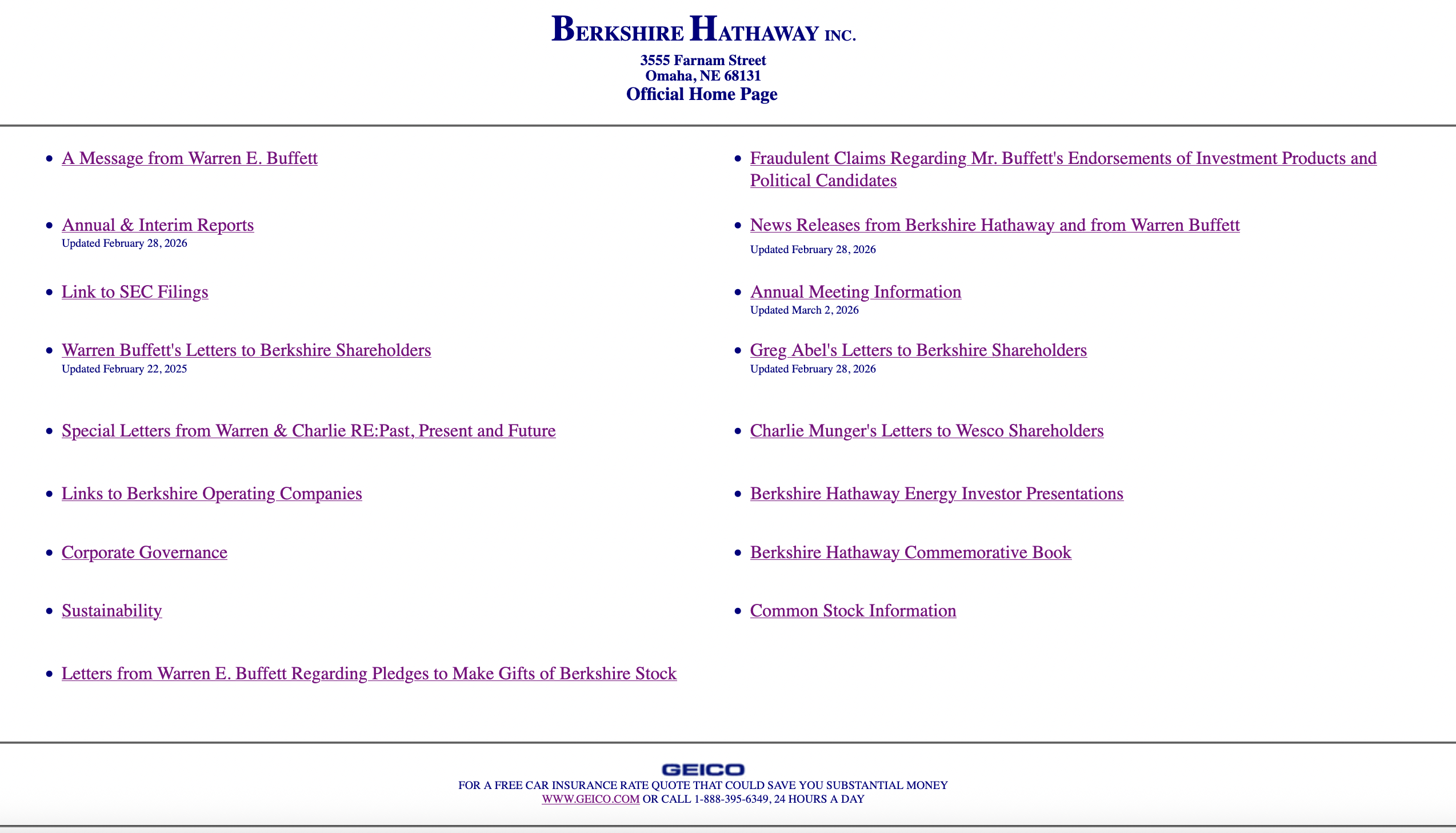
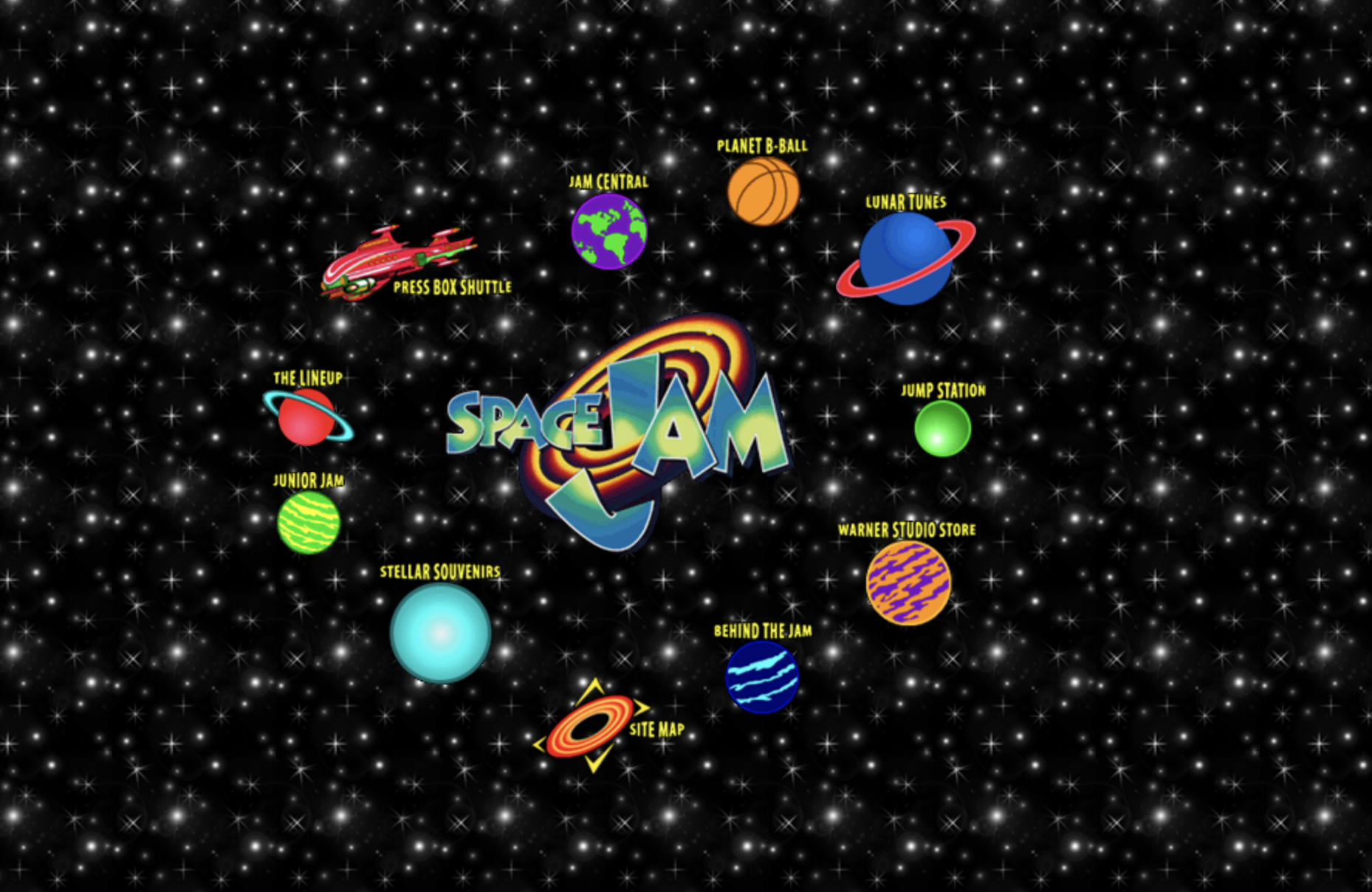
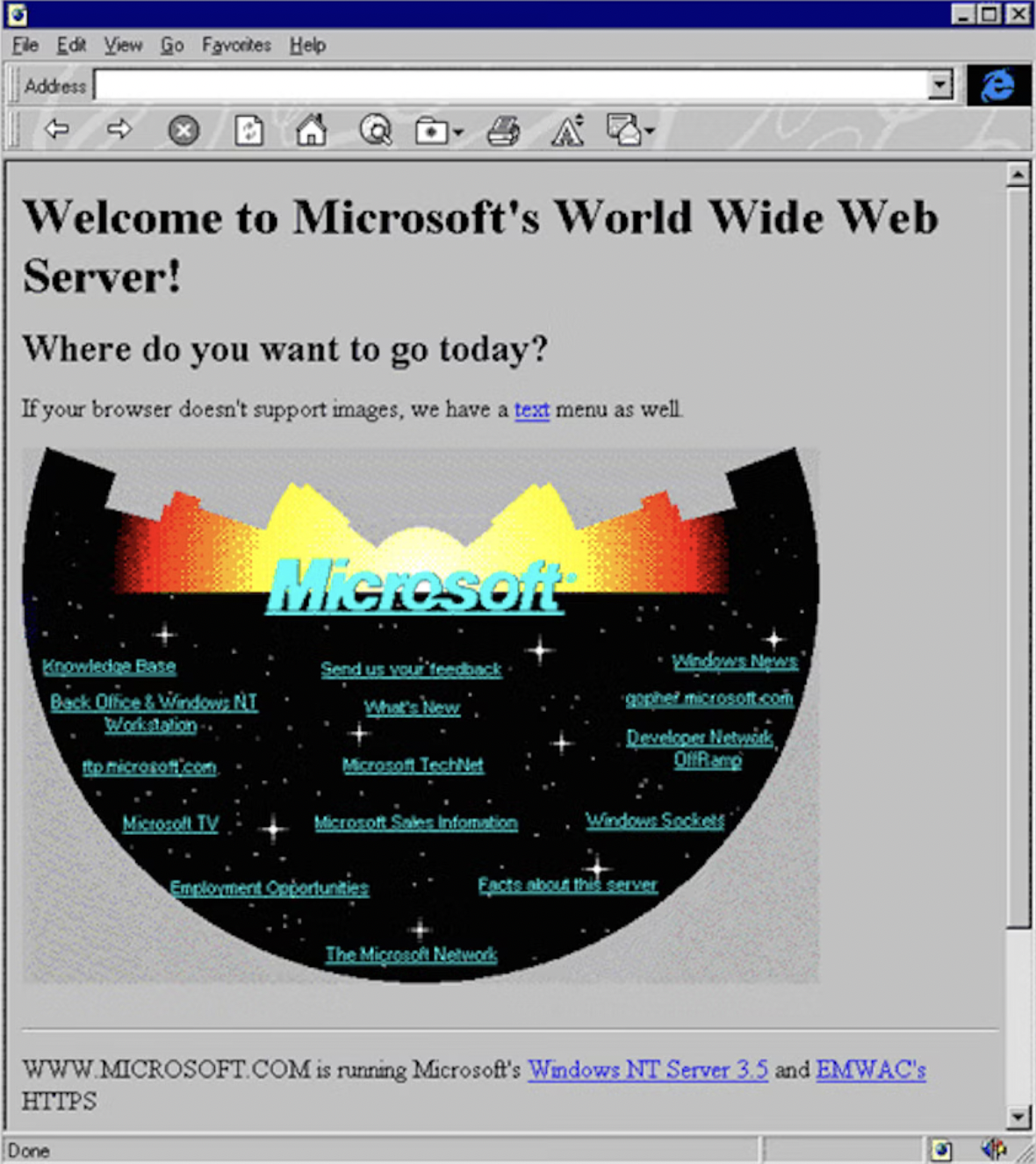

The webmaster era of design crested with the animated Flash interfaces of the mid 2000s. Apple’s 2010 decision to not include Flash support on the iPhone marked the end of this period of design and the beginning of Web 2.0 streamlining.
Web 2.0 truly arrived with Bootstrap, a framework created by Twitter to unify the look and feel of mobile and desktop websites. Bootstrap’s decomplication of creating websites for different screen sizes spread like wildfire, causing a widespread homogenization of the web. Concurrently, the once singular responsibilities of webmaster divaricated into a multitude of roles: graphic designer, UX designer, product manager, front end web developer, back end web developer, quality assurance engineer, dev ops engineer, and sysadmin; the list goes on.
By 2016 every website looked like Bootstrap and reactionary aesthetics like Brutalist Websites sprang up to challenge the status quo. On the other hand, it was an exciting time for user experience. How people were using phones was being figured out in real time, so an intuitive advancement in design could have cascading effects on the entire industry. For instance, the guy who invented pull-to-refresh has his own Wikipedia page.
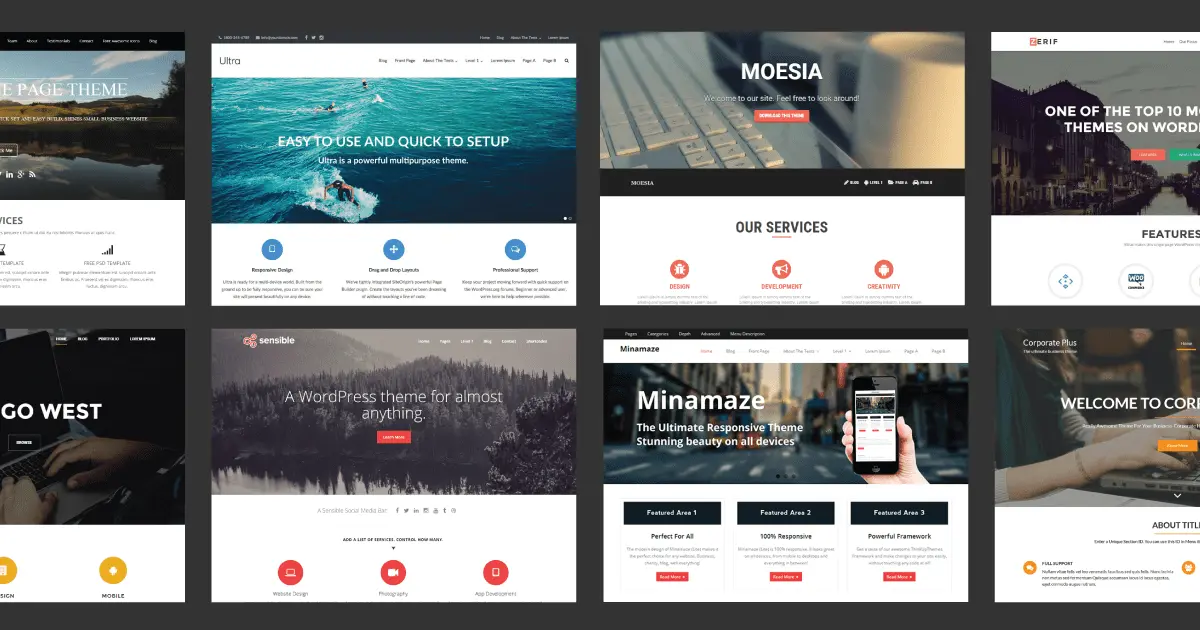
The advent of AI coding renders Bootstrap essentially obsolete. As of this writing, Bootstrap is used on nearly 20% of websites but that is likely to decrease dramatically in the coming years. A simple AI prompt can essentially provide what Bootstrap offers so there’s no need to load dependencies like that anymore.
The web of the 2020s will be characterized by AI created interfaces meant to expedite the prompts of software engineers. Some tell-tale characteristics are emerging, such as a preference for dark mode, busy overstuffed UI, and lack of concern for elegance and polish. What results is a mutated Bootstrap adjacent feel infused with just enough discoherence to keep the user teetering on the edge of confusion. Because the dominant feature of today’s AI is LLMs (Large Language Models), we’ll likely see a decline in graphic interfaces toward an emphasis on chat and voice to text.
It is an environment that should put designers in high demand, but the outcome will be the opposite. The UI that AI creates is good enough, and good enough always beats good. One of the most frustrating things with prompting AI is asking it to fine tune CSS. It’s like herding cats. The AI has no concept of aesthetics on a light-meets-your-eyeball haptic level. It only possesses a deep need to please its customers and the averaged out CSS files of the millions of websites that came before yours. Saying things like “the margin of the div needs to align with the margin of the header” could send your AI spiraling. But that’s how you’re supposed to talk to a designer and prompting is for making software.
The biggest hurdle to overcome is the lack of tools to translate design documents from Figma and Adobe into understandable prompts for AI coding tools. Sure you can export a bundle of CSS from Figma and dump it into AI and see what happens, but it will never interpret the intent to your expectations. Since your LLM does not have thumbs, it’s hard to imagine it coming up with something as simple and elegant as pull-to-refresh or even understanding why we humans took to it so naturally. I can’t even imagine a workflow where you take an AI coded design, ask a human designer for feedback, and then synthesize that feedback back into your application. Even if you intend to handcode the designer’s feedback, looking under the hood at AI generated code is positively daunting.
In truth, this hand off from design to code was always kind of awkward and even before AI this caused a lot of headaches. There were days when I wondered why a designer didn’t work directly in code, rather than use freeform design apps like Photoshop. Working directly in the code would allow the designer to familiarize themselves with the constraints of the medium while also having something usable to hand off to the engineers who would bring it to life. AI might be the monkey’s paw that brings this about. Tools like Cursor allow designers to prompt AI to create a web page and view it in real time side by side with the code. A designer can also tweak the values of CSS properties in the developer tools and have those changes integrated back into their session. Designers who feel left out in the cold by current trends should look to change their workflow, similarly to how engineers already have.
We are about to see the amount of apps on the internet explode while design takes a back seat. In that sense it will match the exuberancy of the webmaster while bearing resemblance to Web 2.0. That AI can approximate web design is because of the trillion web pages that came before it. It will always be an average of the past rather than an anticipation of the future. This means that AI tools will be unprepared for the next sea change in design or personal technology. That is to say, AI could not have bridged the webmaster to Web 2.0 design shift. Design is a practice in its own right not a consequence of technology, advances in design have led technology just as much as advances in technology have led design.
In his work Poetics of Space, the philosopher Gaston Bachelard argues for a phenomenological approach to space. According to Bachelard, we have a psychological response to bedrooms, homes, cellars, attics, and kitchens the same way we would by reading poetry or engaging with art. Published in 1958, the work has gone on to influence architects to value the lived experience of a building over pure efficiency. We would be wise to apply these lessons to our digital experience as well. According to Bachelard, a house built to be technically optimized is physically uninhabitable. AI inherits a broadly rationalist worldview, and a web designed purely for conversion is not worth engaging with.